Saturday, September 30, 2006

Otaru's Market & Meiji-Era Historic Canal on Hokkaido

Day 10 aboard the Regent Seven Seas Mariner (Alaska to Russia to Japan).

After two more sea days, we were anxious to get to Japan. This is our first time here and we’re looking forward to exploring. My sister taught English in Japan for a year or two after she graduated from Harvard in the early 1990s and she always raves about how beautiful the country is and how incredibly nice the people are. We were about to find out just how right my sister was!

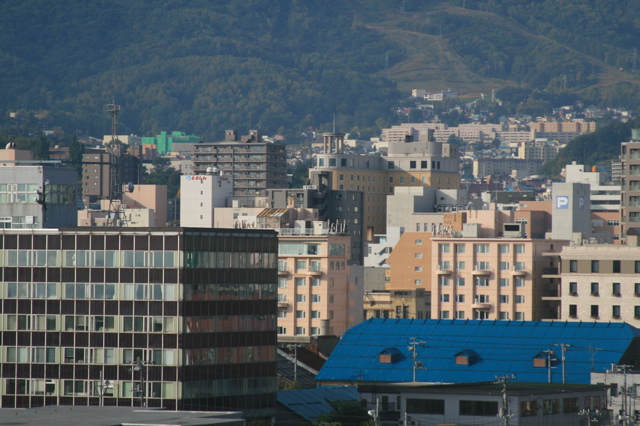
We docked in a fairly industrial area of Otaru Canal (Otaru Unga) on the island of Hokkaido. With our binoculars we could see quite a bit of the city and the surrounding hillside. After spending a day here, we decided that it’s a lovely little town, even if there isn’t too much to do.

We started the morning with a tour of an indoor market with Quinn McMahon (executive chef of the Mariner) and the Le Cordon Bleu chef and teacher, Frank Jeandon. This was a terrific bonus offered to the participants of the Le Cordon Bleu cooking class and their spouses. Private taxis (watch those automatic doors!) took us from the dock to the market and waited while we were inside.
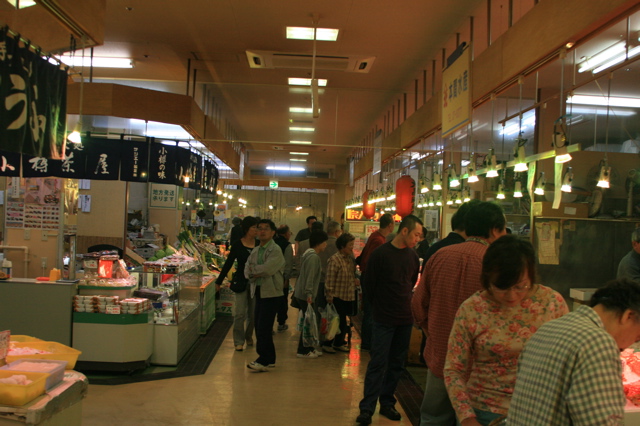
If you’re in Japan, you must visit one of these spectacular markets! We were amazed at the wide variety of foods and the just-caught freshness of all the seafood. You know the smell of an American fish market? It sometimes smells, well, fishy or fishy with a hint of bleach. That was not the case here. In fact, there was no scent at all other than the hint of sweetness from cut flowers and the bread in the bakery! So fresh!
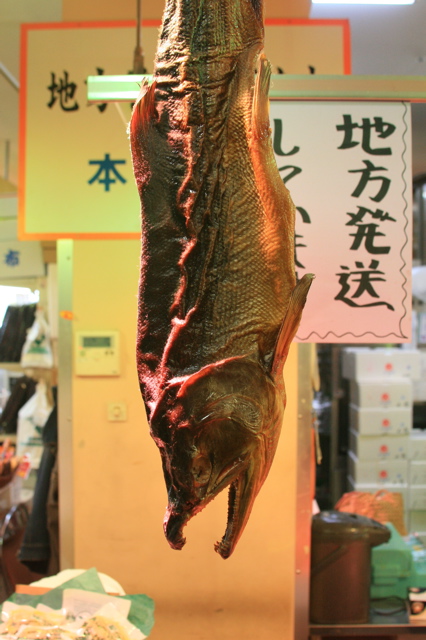
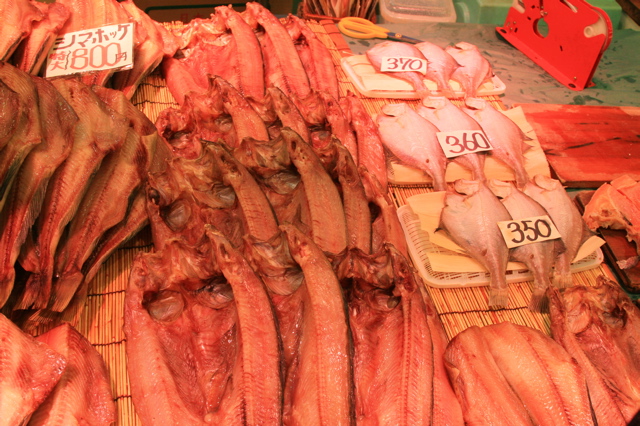

Hokkaido is known for crab and you’ll definitely find it at this market! There were dozens of kiosks with row upon row of crab! It was a sight to behold! The market offered dozens of types of fish and shellfish, as well as fish eggs, seaweed, fresh fruit and vegetables, bakery items, sweets and other items I couldn’t identify.

We purchased several sweet bean cakes, skewered meats and rice balls. Our group then stopped for lunch at the sushi counter. (I’m not much of a raw fish eater but my husband raved about the quality and freshness of the sweet shrimp, tuna, eel, scallops and other items we were served.)
We then piled back into the taxi and asked the white-gloved driver to drop us off near the Sakai-machi Street Historic District so we could do our own thing for the rest of the day.
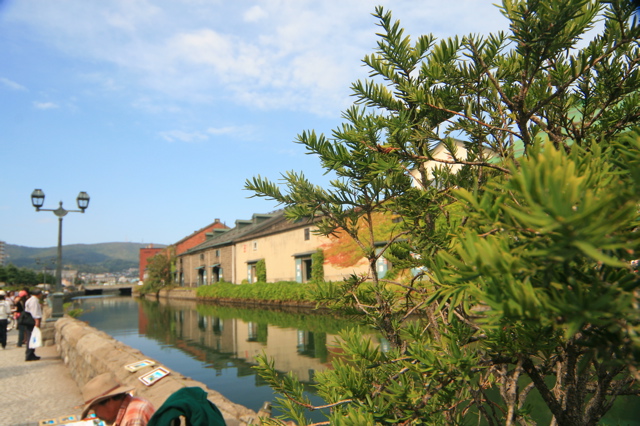

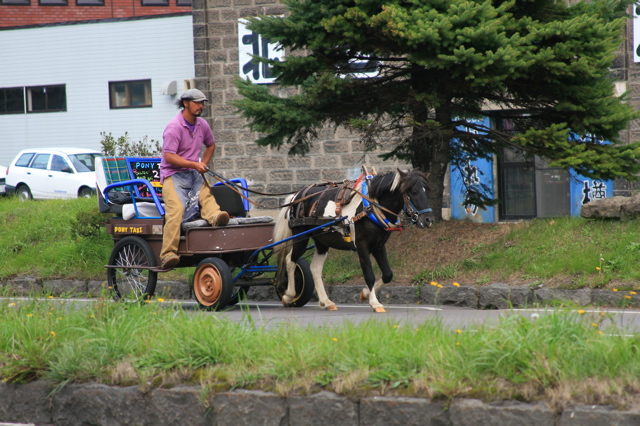
Once a busy port known for its herring trade, the highlight of Otaru is now its Meiji-era canal and brick warehouses which have been converted to gift shops and restaurants. This historic (i.e., tourist) area is outfitted with tree-lined cobblestone streets, brick buildings and old-fashion gas lamps. While we explored, we saw several strolling violinists and horse-drawn carriages were available to ferry tourists around town.


Unique gifts to be had in Otaru include music boxes (you’ll find several stores offering ready-made and customizable music boxes) and hand-blown glass items.

We spent our day eating, shopping and walking through the canal area. (Don’t miss the chocolates filled with melon wine sold throughout the city and the ale at the Otaru Brewery, both specialties of the area.)

Other highlights in the area include Goblin Hall, a small museum filled with tengu (long-nose goblin masks); Aoyama Villa with intricately painted sliding doors and lacquered floors; the Herring Mansion (Nishin Goten), the 1897 home of a fishery boss which now contains memorabilia of the herring boom time; and the Otaru Aquarium.
Regent offered several shore excursions in Otaru and also one to Sapporo, the capital of Hokkaido. That tour included quite a long bus ride so we were glad we decided to tour this port independently.

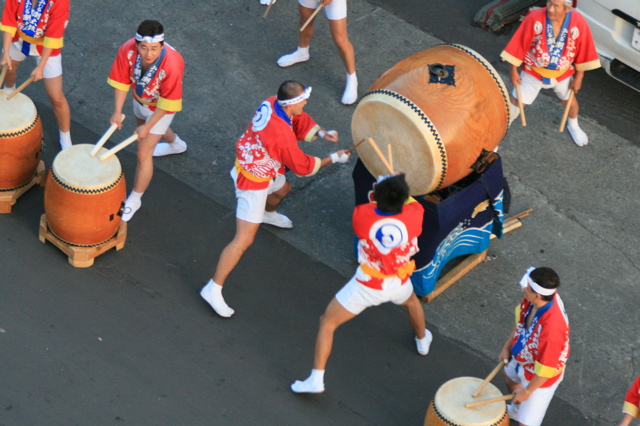
Back on the Mariner, we were treated to an authentic tea ceremony in the Horizon Lounge and some local folklore entertainment from The Yosakoi Soran Team. This local troupe of children, teens and adults were dressed in traditional Japanese costumes.

Later as the Mariner prepared to leave Otaru, The Yosakoi Soran Team raced along the pier, waving, to bide us a fond farewell. What a fantastic day!

Photos by Leonard Hospidor

Friday, September 29, 2006

Cruising the Kuril Islands & the Rough Sea of Okhotsk

Days 8 and 9 aboard the Regent Seven Seas Mariner (Alaska to Russia to Japan).


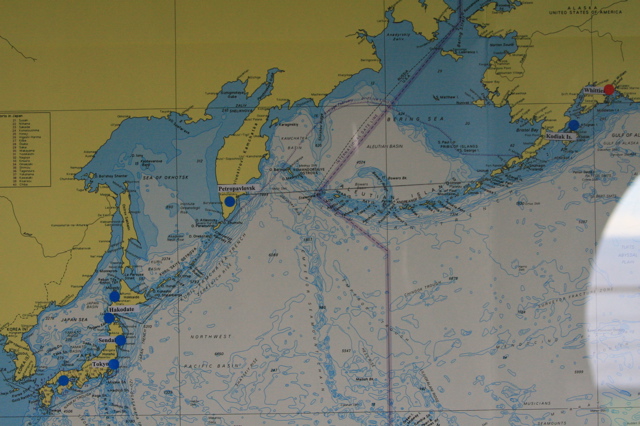
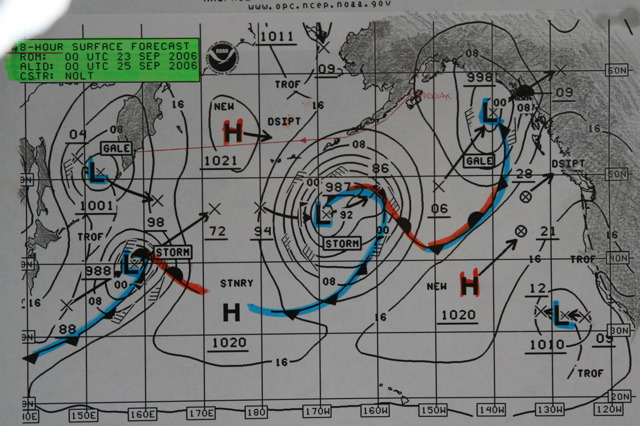
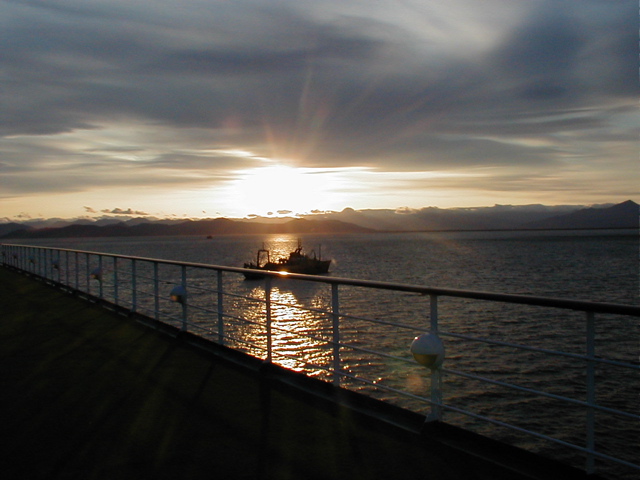
After sailing out of Avacha Bay, we headed toward the Kuril Island and then sailed across the Sea of Okhotsk toward Otaru, Japan. Here's where the waters got a bit rocky and we had the roughest seas of the entire cruise.

Captain Phillipe was wonderful about keeping everyone informed and the crew even posted detailed weather maps so guests could understand exactly what was in store. Voyage and weather maps were updated daily in the Observation Lounge.


On this particular evening, the boat rocked port to starboard all night long. It was tough to sleep because you'd roll one way, get comfortable and then the ship would pitch and you'd roll the other way! It was so turbulent that I actually got out of bed to secure all the stemware that was rattling around in our bar setup!

Luckily this only lasted for a little while and the next day was smooth sailing once again!

Photos by Leonard Hospidor
Wednesday, September 27, 2006

Kamchatka Peninsula in Eastern Russia

Day 7 aboard the Regent Seven Seas Mariner (Alaska to Russia to Japan).


If you had told me last year that I’d visit Siberia in 2006, I would have scoffed. It’s not exactly the type of place one adds to his or her list of favorite getaways. However, this port ended up being one of my favorite destinations during our vacation. This part of Russia was everything and nothing like I’d expected.

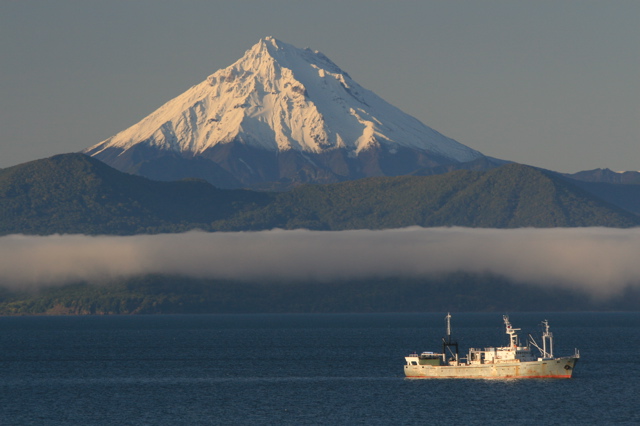
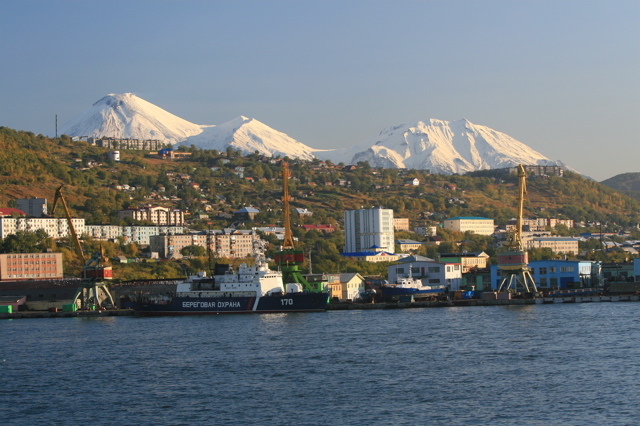
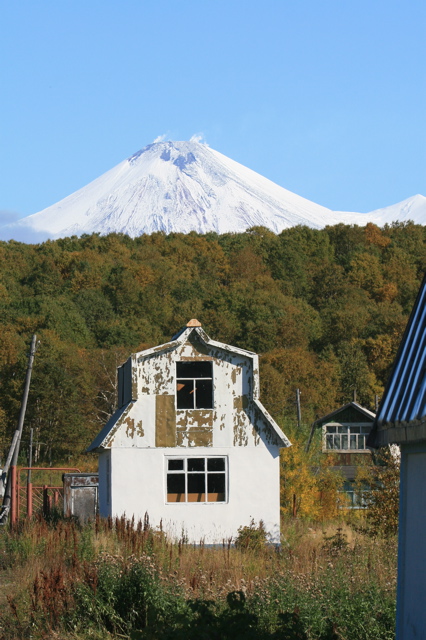
Once again we were up early, before dawn and camped out in the Observation Lounge. As the sun rose, the sight before us really was stunning. The ship was already in Avacha Bay and we could see the Kamchatka Peninsula, home of Petropavlovsk-Kamchatsky. Affectionately called the "city among the volcanoes," there are 150 volcanoes here, 29 of them are still active. Several volcanoes were steaming during our visit. The city is named after the two small vessels that Vitus Bering sailed to Alaska from this very spot in 1739.

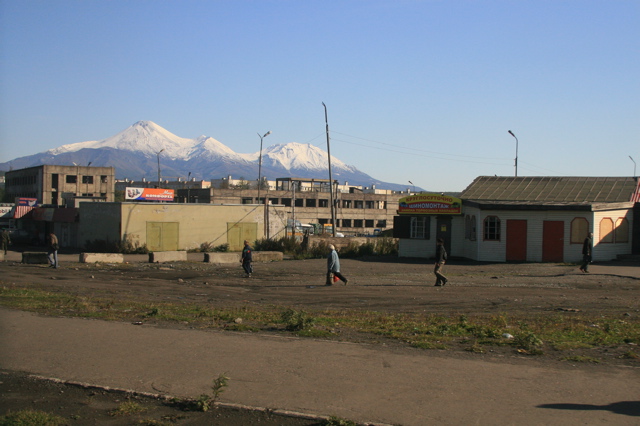
Today, three volcanoes – Avachinsky, Koryaksky and Viluchinsky – watch over Petropavlovsk, as they have for thousands of years.

This part of Eastern Russia has always been remote and there is very little road travel. Instead, regional trips make use of planes, boats and helicopters. In fact, many of the Regent shore excursions included a helicopter trip to a more remote area of Kamchatka.

The area is lush and gorgeous. If you love nature (think brown bears, snow ram, sable, wolverine and Stellar eagles), you’ll love this Russian hideaway! If you’re into hiking, skiing or fishing (up to a third of the world’s Pacific salmon population makes its home in Kamchatka), you’ll be in heaven here!


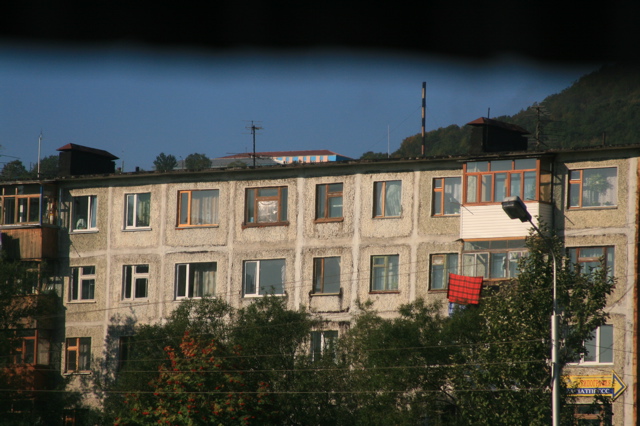
Despite the natural beauty of the area however, we could see right away what a difficult life these Russians have being somewhat isolated from the rest of Russia. With our binoculars, we could see the industrial factories and housing complexes of Kamchatka. These weren’t deluxe condos by the bay, but rather barracks-style military housing.

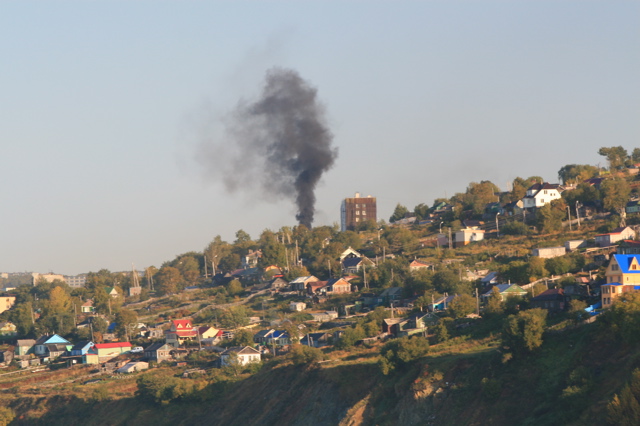
Some sort of factory right outside town was spewing soot into the air.

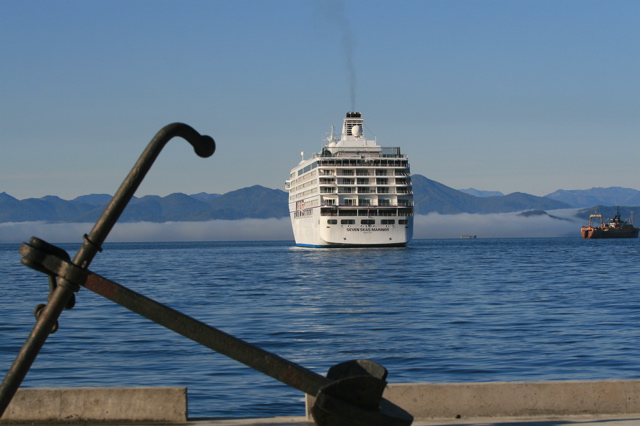
Moored near the Mariner where many ships… some very old and in very poor shape. It was hard to believe some of the boats were still floating!

In the Cold War era, the Soviet Union tested its missiles often and used Kamchatka Peninsula as the target. The area has long been a military submarine base and in 2005, one of Russia’s subs sank to the seafloor, requiring the help of the international community to rescue the crew.

Despite its utilitarian past, one look at the volcanoes here and you’ll see what a marvel of nature has been gifted to the Russians lucky enough to live here. We took a Regent shore excursion – Kamchatka Nature and Countryside – since you really are in the middle of nowhere. Without a tour, you won’t see all that much of the area. The town's attractions include a museum, a statue of Lenin, an observation site atop Nikolskaya Hill and a small outdoor market area (not too much in the way of souvenirs).

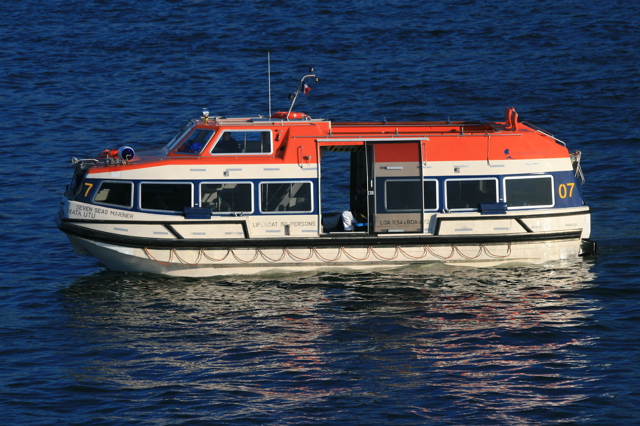
This was the first port that required the use of the tenders and transferring to shore was quick and easy. When we arrived on Siberian soil, the Regent staff photographer had a terrific setup for photos with the Mariner, Avacha Bay and volcanoes in the background. The photographers onboard the Mariner were terrific. They were easily accessible but not intrusive.

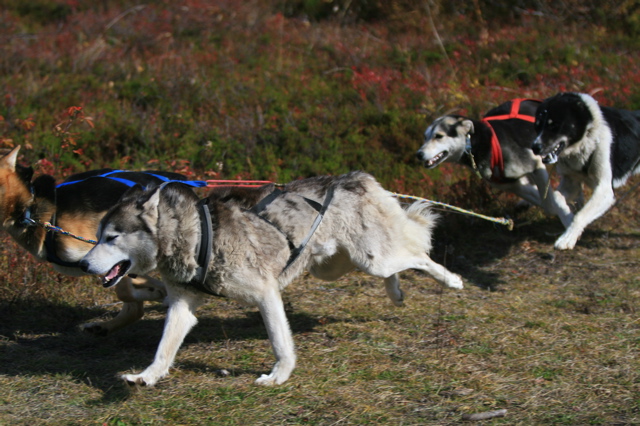
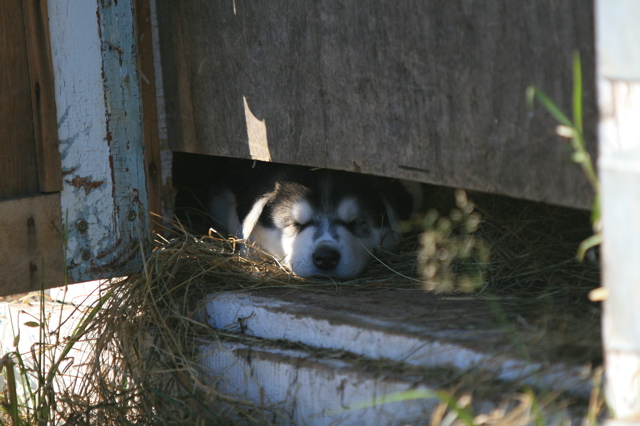
We opted to tour by bus and started with a stop atop Nikolskaya Hill. The view offers a terrific vantage point of Avacha Bay and a prime photo opportunity. We then drove to a nearby country area with views of Koryaksiy and Avacha volcanoes where sled dogs are housed and trained. (Now, I’m a true animal lover and have worked for the ASPCA here in the states. I was a bit bothered by how some of the dogs were treated, but it was basically a cultural difference. These are working animals and were treated as such. They were not family pets. The animals did seem healthy, even if they did yearn for more attention and affection.)

We cuddled we some puppies and rough-housed with some adult dogs. Then we were treated to a sledding demonstration. Wow! These dogs are super focused! It was fun and a nice photo opportunity. And, by this time, I was really missing my own two dogs. I really appreciated the chance to play with these Russian canines!


Lunch was served (wood-grilled salmon, mushroom soup, crepes with homemade jam, and bread) outside at picnic tables near the dachas (summer houses with attached gardens).


The drive to and from the country resort was an eye-opener. The area had some newer developments, such as the apartment complex our tour guide lives in. But, for the most part, this area seems to have been forgotten by the Russian government. The streets and buildings are in disrepair and there certainly is nothing modern about Petropavlovsk (except for the Olympic training facility and stadium). My husband and I felt almost guilty for snapping photographs of the buildings to show our friends and family… almost as if we were tempting fate to have evidence of how much harder it must be for a Russian family to make it than our American family.


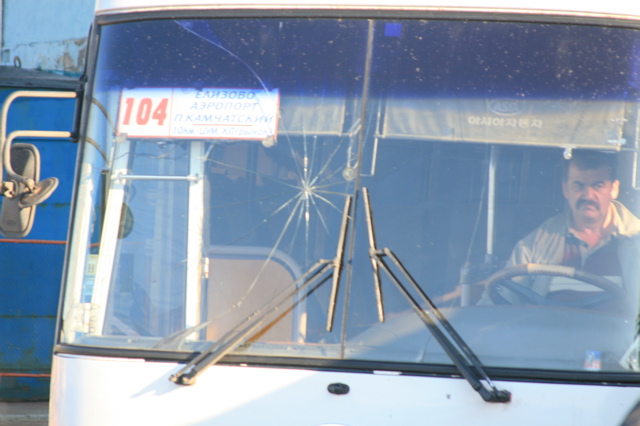
The bus itself was what you’d expect in Russia. Do not visit Siberia thinking you’ll get the same type of transportation options as you would in America, Germany or Japan. You won’t. All the vehicles we encountered, while a bit worse for wear, were comfortable enough and got us where we needed to go (despite some rough terrain).

(We did speak with someone who took one of the helicopter tours to Kurilskoye Lake. That tour actually got to see some bears and lots of otters. It sounded like a once-in-a-lifetime experience! He highly recommended it, despite his initial misgivings with the transportation. We had wanted to do that tour but I just couldn’t stomach getting in an aging Russian-made helicopter.)

On the way back from the country, our guide had the bus pull over so we could shop in the town’s department store. There really wasn’t too much in the way of souvenirs. At that point, some travelers took the bus back to the Mariner and others, like us, walked back through the town so we could take pictures at Lenin’s statue and see a local fair that was going on by the bay.

We give Regent's shore excursion five stars. Our guide was very personable and knowledgeable, spoke very good English and was quick to customize the adventure for our group. We've got very fond memories of Petropavlovsk-Kamchatsky.
Photos by Leonard Hospidor
LinkWithin

Related Posts Plugin for WordPress, Blogger...